 The Museum Is Open Today 10 Am - 5 Pm
Quick Answers
How many bracelets should I layer at once?
3 to 5 bracelets is the sweet spot — enough to make a statement without looking cluttered. Stack varying textures and thicknesses.
Should I mix metals when layering bracelets?
Yes — mixing gold and silver creates visual interest. The key is to keep a unifying element, like a similar stone or clasp style.
How do I keep layered bracelets from tangling?
Use spacer beads, keep similar lengths together, and avoid mixing very loose with very tight bracelets.
How to Layer Bracelets Without Looking Cluttered
The first time I tried to stack bracelets, I looked like a walking jewelry display case. Everything clanked. Nothing matched. I kept catching the clasps on my sweater. Every time I raised my arm, it sounded like a wind chime in a storm.
I learned the hard way that bracelet layering isn’t about how many pieces you can cram onto one wrist. It’s about intention — choosing pieces that work together the way instruments in a band do. Each one has a role. None of them are fighting for attention.
Here’s everything I’ve learned about stacking without the mess.
The Golden Rule: Odd Numbers
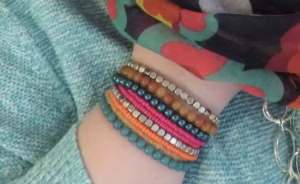
This is the single most important rule in bracelet layering, and it’s almost foolproof. Three bracelets is the ideal number for most wrists. It’s enough to look intentional, not so many that it looks accidental. Five can work if you have slender bracelets or a larger wrist. Seven is pushing it unless you’re going for a specific maximalist look.
Why odd? Because odd numbers create a sense of organic balance. Even numbers — two, four, six — tend to look symmetrical in a way that reads as “store display” rather than personal style. Three feels like a collection. Four feels like you forgot to take one off.
Practical tip: If you have four bracelets you love, try removing one and seeing how the remaining three look together. Nine times out of ten, the three-piece stack will look better.

The Three-Texture System
This is the framework I use for every stack I build. Think of it as a recipe with three ingredients:
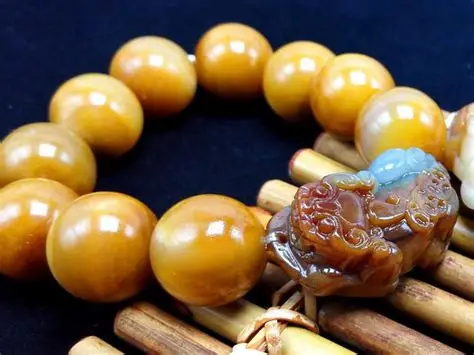
Texture 1 — Beaded: This is your foundation piece. Gemstone beads (8-12mm) add visual mass and color. This is what people notice first. Choose your most meaningful or most substantial stone bracelet here — jade, tiger eye, howlite, whatever speaks to you.
Texture 2 — Chain or Cord: This adds line and direction. A thin gold chain, a leather cord, or a simple metal bracelet breaks up the solid mass of the beads. Without this, your stack looks like a uniform tube of stones. The chain creates negative space — breathing room.
Texture 3 — Charm or Pendant: This is your accent piece. A small charm bracelet, a thin bangle with a single charm, or a delicate chain with a tiny pendant. This gives the eye a focal point. It’s the detail people notice when they lean in closer.
Three textures. One stack. It works every single time.
Metal Mixing Rules
The old rule — don’t mix gold and silver — is dead. Good riddance. The new rule is simpler and more useful: if you’re mixing metals, make sure each metal appears more than once.
One gold chain lost in a sea of silver looks like a mistake. Two gold pieces in a stack of silver pieces looks intentional. Silver + gold + rose gold takes skill, but rose gold makes an excellent neutral bridge between warm and cool tones.
Quick guide: Warm skin tones lean gold and rose gold. Cool skin tones lean silver and white gold. But honestly? Wear what feels right. The confidence of a mismatch worn well beats a technically perfect stack you keep adjusting.
Watch + Bracelets: The Right Way
Wearing a watch with bracelets is one of the most common stacking challenges. Here’s the formula:
Wear the watch closest to your hand. Bracelets go above it, closer to the elbow. If your watch is chunky (think diver or sports watch), keep bracelets minimal — one or two slim pieces. If your watch is delicate, you can go heavier with the bracelets.
One important rule: bracelets should be worn on your watch wrist only, not both wrists. Watch on one wrist, bracelets on the other, creates a lopsided look. Commit to one stacked wrist.

Color Coordination That Actually Works

Three approaches, pick the one that matches your personality:
Monochromatic: Stick within one color family. Various shades of green — light jade, dark jade, olive. Or all black — obsidian, black onyx, a black cord. This creates a refined, edited look.
Complementary: One dominant color with a single accent. Think a stack of black obsidian with one bright red string bracelet cutting through. The accent color draws the eye and creates a story.
Earth tones: Browns, greens, creams, blacks. These colors naturally harmonize. Tiger eye, green jade, howlite, and a brown leather cord will always look good together because they share the same earthy palette.
Whatever approach you choose, avoid more than three distinct colors in a single stack. Beyond three, it starts looking accidental rather than curated.
Size and Proportion: The Invisible Secret
This is the detail most people miss, and it makes the biggest difference. You need three sizes of beads or bracelets in your stack:
- Foundation: 10-14mm beads — your anchor piece, the one with the most visual weight
- Mid: 6-8mm beads — bridges the gap between foundation and accent
- Accent: 2-4mm beads or chain — adds delicacy and a finishing touch
Without size variation, your stack looks like a uniform tube — all one thickness, no depth. The variation creates visual interest and makes the stack look intentional.
Practical Concerns Nobody Warns You About
Sound: Metal bracelets clanking together drives some people crazy. Separate them with a soft cord or bead bracelet as a buffer. Or embrace the sound — some people find the gentle clinking meditative.
Clasps: Position all clasps on the underside of your wrist. This keeps the top of your stack clean and uninterrupted. It takes a moment to put them on this way, but the result is worth it.
Removal: Take bracelets off in the reverse order you put them on. This prevents tangling and reduces wear on the strings or clasps.
Daily care: Wipe each bracelet with a dry microfiber cloth before bed. This removes the day’s oils and prevents buildup. Wash bead bracelets as a unit once a week with mild soap and water.
Seasonal Stacking
Your bracelet stack should change with the seasons, just like your wardrobe:
Summer: Lighter colors, fewer pieces. The heat makes heavy stacks feel oppressive. Jade, moonstone, a single red string. Let your skin breathe.
Fall: Warm earth tones. Tiger eye, carnelian, gold. The shift to deeper colors mirrors the changing leaves.
Winter: Heavier stacks, darker stones. Obsidian, pyrite, black onyx, silver. Layers feel appropriate when you’re wearing long sleeves.
Spring: Fresh, light pastels. Rose quartz, amazonite, lighter metals. Let your stack feel like the season — new, bright, hopeful.
The Art of the Unstack
Here’s the most important thing I’ve learned about layering: sometimes the most powerful statement is wearing nothing at all on your wrists. Or just one piece.
Try wearing a single bracelet for a week. Notice how much more attention that one piece gets. How people ask about it. How it becomes a signature rather than part of a collection.
The best stack — the one you’ll actually wear every day — isn’t the one with the most pieces. It’s the one you don’t adjust constantly. The one that doesn’t catch on your sleeves. The one that feels like an extension of who you are rather than a display of what you own.
Stack with intention, not by accident. Your wrists will thank you.
✨ Discover jewelry with meaning at Blessglow
Browse our handcrafted gemstone bracelets — each piece selected for quality and meaning. Free shipping on orders over $99.
One Comment