 The Museum Is Open Today 10 Am - 5 Pm
Have you ever looked at a piece of jewelry and felt there was a story behind it — something just beyond reach?
That’s the thing about ancient Chinese lucky symbols. They carry centuries of meaning in a single curve, a knot, a carved creature. And when you wear them, you’re not just accessorizing. You’re carrying a conversation that started long before you.
Here are 7 ancient Chinese lucky symbols — what they really mean, where they come from, and why they’re still relevant today.
Quick Answers
What are the most powerful Chinese lucky symbols?
The top seven include: Fu (blessing), Lu (prosperity), Shou (longevity), Double Happiness (love), Dragon (power), Phoenix (rebirth), and Pi Xiu (wealth protection).
What Chinese symbol is best for wealth?
Pi Xiu (also spelled Pixiu) is the most powerful wealth symbol in Chinese culture — it's said to draw fortune from all directions and guard against loss.
Can I wear multiple Chinese symbols together?
Yes — in fact, combining symbols is traditional. A common pairing is Dragon + Phoenix for marital harmony, or Fu + Shou for a blessed long life.
1. Pixiu — The Wealth Guardian
What it is: A mythical hybrid creature — part dragon, part lion, with wings and a fierce expression. Legend says the Jade Emperor sealed its rear end, meaning the Pixiu can only take in — it can never let anything out. In Chinese folklore, this made it the ultimate wealth-preserving creature.
What it means today: Financial protection and abundance. A reminder to hold onto what matters. Think of it as an intention-setter for financial mindfulness.
How it’s worn: Left wrist (the receiving side in Chinese medicine). No elaborate rituals needed — just wearing it with purpose is enough.
Pair with: Tiger eye for focus, or red string for added protection.
2. Chinese Knot — The Endless Blessing
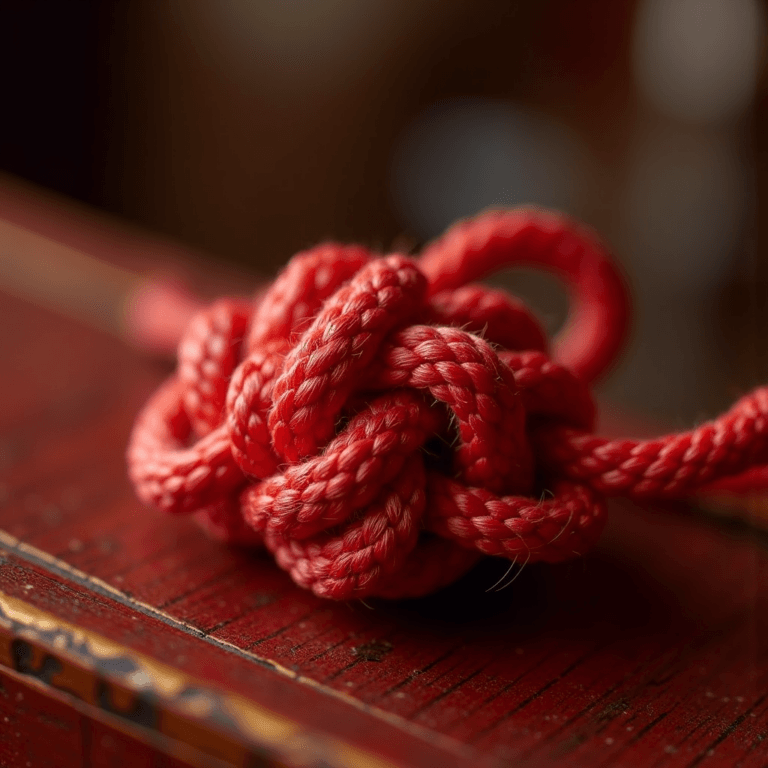
What it is: A decorative knotting technique dating back over 2,000 years, with more than 20 distinct styles. The Pan Chang knot, the most common, is an endless loop — no beginning, no end — symbolizing continuity and eternal connection.
What it means today: Unity, longevity, and interconnectedness. In a world that feels increasingly disconnected, a Chinese knot bracelet is a simple reminder that everything circles back.
How to wear it: The knot itself is the symbol. No activation needed. The endless weave does the work just by existing.
3. Jade — The Stone of Heaven
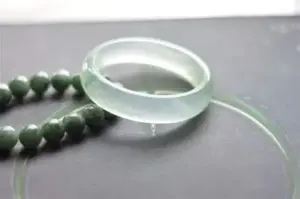
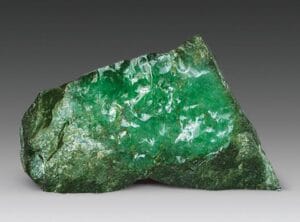
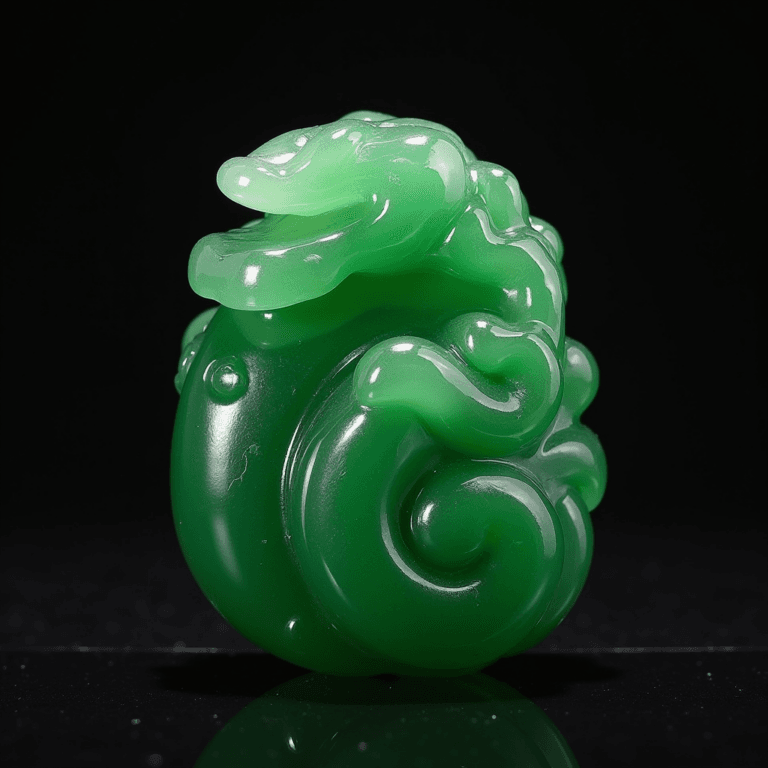
What it is: Not a single stone but two — nephrite (the original, used for 8,000 years) and jadeite (discovered in the 18th century). Both have been treasured in China longer than any other gemstone.
What it means today: Confucius said jade possessed eleven virtues including benevolence, wisdom, and courage. It’s the stone of moral cultivation — wearing jade means you’re committed to becoming a better person.
How to wear it: Jade bangles are traditionally worn on the left wrist. If it breaks, it’s said to have protected you from harm. Don’t repair it — its protective purpose is fulfilled.
Pair with: A red string for amplified protective energy.
4. Red String — The Thread of Fate
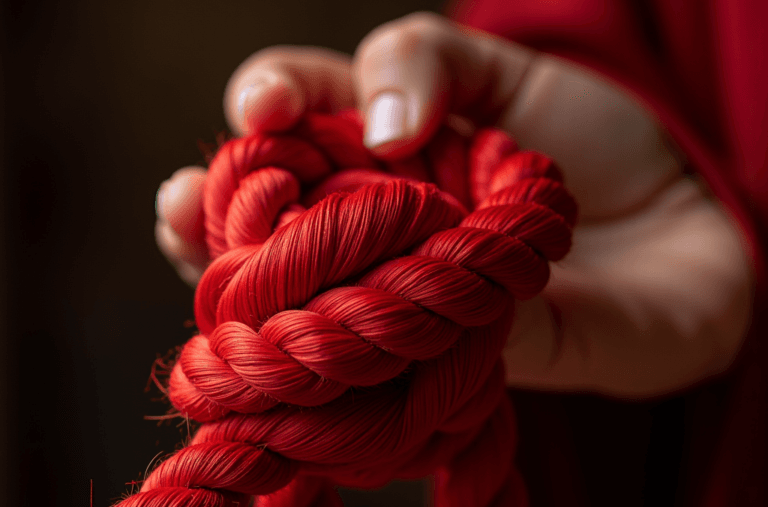
What it is: A simple cotton or silk cord, usually tied with three or seven knots. The tradition spans Chinese, Kabbalistic, Buddhist, and Hindu cultures — each with its own unique practice.
What it means today: Connection to fate, protection from harm, a visible anchor for intention. The red string is the most democratic lucky symbol — anyone can wear it, it costs almost nothing, and it requires no special knowledge to use.
How to wear it: Left wrist. Three knots, three wishes. Let it fall off naturally — when it breaks, its purpose is done.
5. Dragon — The Cosmic Force
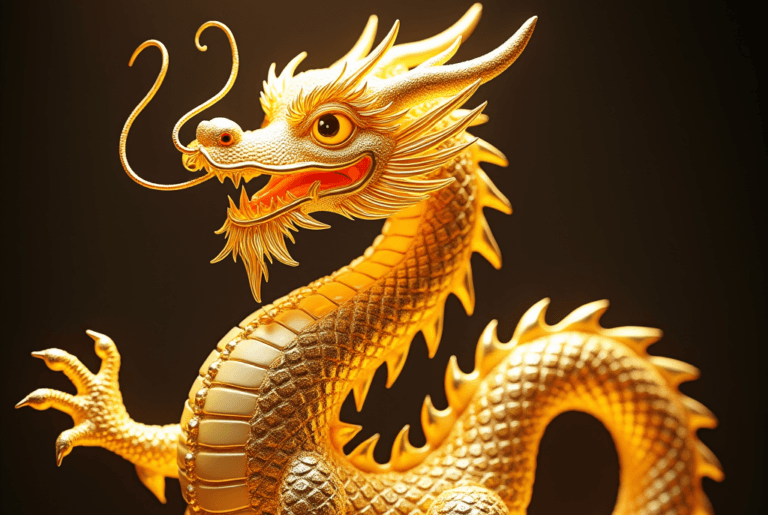
What it is: Unlike the destructive Western dragon, the Chinese dragon is a benevolent water deity that controls rain, rivers, and storms. The emperor’s throne was called the Dragon Throne — it’s the ultimate symbol of power.
What it means today: Supreme authority, career advancement, personal transformation. Where Pixiu protects what you have, the Dragon helps you reach for more.
How to wear it: Face outward to project power. Any wrist works for Dragons.
6. Ancient Coins — The Circle of Abundance
What they are: Chinese coins with a round outer edge and a square inner hole — representing the unity of heaven (round) and earth (square). The most powerful are the Five Emperor Coins from the Qing Dynasty.
What they mean today: Wealth attraction and preservation. Unlike Pixiu which guards, coins actively draw opportunity toward you. They’re often strung on red thread for combined protective + attracting energy.
How to wear them: Five coins for maximum wealth energy. Single coin for general good fortune.
7. Fish — The Symbol of Abundance
What it is: In Chinese, the word for fish (yu) sounds identical to the word for abundance. A pair of fish represents marital harmony — they never swim apart.
What it means today: Surplus, prosperity, and the kind of relationship that lasts. Fish jewelry is especially popular for wedding anniversaries and business openings.
How to wear it: Pairs are more powerful than singles. Gold fish pendants are particularly auspicious.
Choosing Your Symbol
The best symbol is the one that resonates with what you need right now. Are you protecting wealth? Protecting boundaries? Reaching for a promotion? Looking for love? Each symbol has its domain, but they all share one thing: they work through the power of attention. Wearing a symbol is a commitment to showing up for yourself.
✨ Discover jewelry with meaning at Blessglow
Browse our handcrafted gemstone bracelets — each piece selected for quality and meaning. Free shipping on orders over $99.
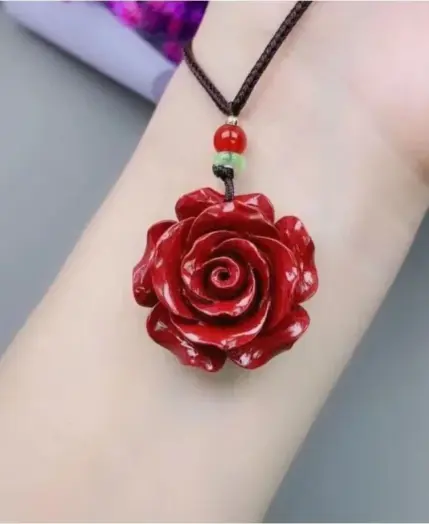 Cinnabar Jade Rose Flower Pendant — Chinese Healing Style
 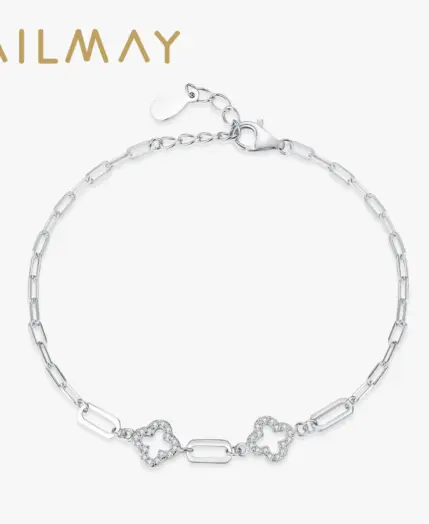 Four-Leaf Luck — 925 Silver Lucky Grass & CZ Bracelet